By Eli, owner of The Mighty Ductless - a Maryland-licensed, EPA 608–certified ductless HVAC contractor serving Baltimore City and Baltimore County. Updated June 2026.
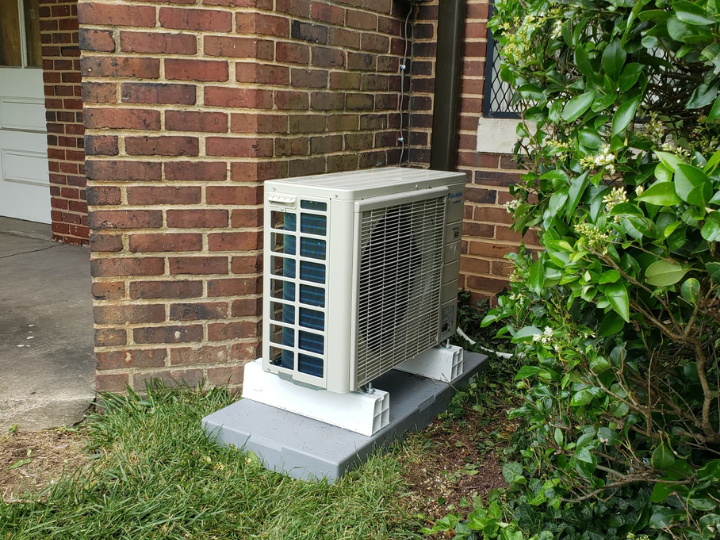
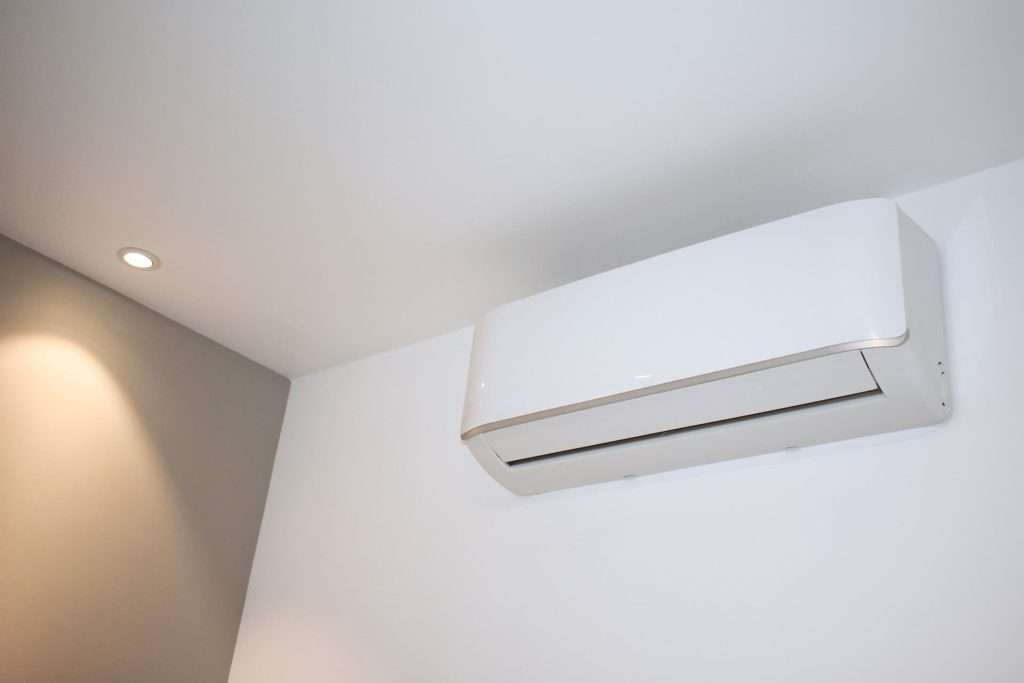
A mini split and central air both cool your whole home, but they work differently. A mini split is ductless - it uses one or more wall-mounted indoor units connected to an outdoor condenser, with no ductwork. Central air pushes cooled air through a network of ducts from a single central unit. Mini splits are more energy-efficient, can heat as well as cool, and let you control each room separately. Central air can be cheaper to install if your home already has ducts. For homes without existing ductwork - including most Baltimore rowhomes - a mini split is usually the better choice.
Mini split vs central air: quick comparison
| Feature | Mini Split (Ductless) | Central Air |
|---|
| Ductwork | Not required | Required |
| Typical installed cost | $3,000 – $12,000 | $3,000 – $7,000 (with existing ducts) |
| Energy efficiency | Higher - no duct loss | Lower - 20–30% duct loss |
| Zoning | Room-by-room control | Whole-home, one thermostat |
| Heating | Yes - heats and cools | Cooling only (needs separate furnace) |
| Best for | Homes without ducts, additions, room-by-room control | Homes with existing, well-sealed ductwork |
How are mini splits and central air different?
The core difference is ductwork. Central air relies on a single indoor air handler that cools air and distributes it through ducts running inside your walls, floors, and ceilings. A ductless mini split skips the ducts entirely: refrigerant lines run from an outdoor condenser directly to one or more indoor head units, each blowing conditioned air straight into the room it serves. That single design difference drives almost every other contrast - efficiency, cost, zoning, and which homes each system suits.
Cost comparison: mini split vs central air
If your home already has ductwork in good condition, central air is often the cheaper system to install, typically $3,000 to $7,000. A mini split runs $3,000 to $5,500 for a single zone and $7,000 to $12,000 for a multi-zone system. But the comparison flips the moment ducts aren't already there. Adding ductwork to a home that lacks it can cost $10,000 to $20,000 on top of the central air unit itself - which makes a mini split the far more affordable path for older homes, additions, and finished basements. For a full breakdown, see our mini split installation cost guide. For most Baltimore row homes, ductless mini split installation in Baltimore wins on cost and comfort zoning.
Efficiency comparison
Mini splits are more energy-efficient than central air for two reasons. First, ductless systems avoid the 20–30% energy loss that ducted systems suffer as conditioned air leaks and loses temperature traveling through ductwork. Second, because mini splits are inverter-driven heat pumps, they deliver roughly three times more heating energy than the electricity they consume, and zoning lets you condition only the rooms you're using instead of the whole house. Over a Maryland cooling and heating season, that efficiency gap translates into noticeably lower utility bills.
Mini split vs window AC: what's the difference?
A mini split is a permanent, whole-home (or whole-room) system; a window AC is a single portable-style unit that cools one room and blocks a window. Mini splits are dramatically quieter (around 19 dB indoors), far more efficient, and also provide heat - but they cost more upfront and require professional installation. A window unit is cheaper and DIY-friendly, but it's louder, less efficient, cooling-only, and a known security and insulation weak point. For a long-term solution, a mini split wins; for a cheap temporary fix, a window unit does the job.
Which is better for a Baltimore home?
For most Baltimore homes, a mini split is the better fit - and the reason is the housing stock. Baltimore's rowhomes, older detached houses, and additions frequently have no existing ductwork, plaster walls that make duct installation invasive and expensive, and rooms that heat or cool unevenly. A ductless mini split solves all three: no ducts to install, minimal wall disruption (just a 3-inch line-set penetration per head), and room-by-room zoning for homes where the third floor bakes while the basement stays cold. If your Baltimore home already has solid, well-sealed ductwork and a working furnace, central air can make sense. If it doesn't, a mini split is almost always the smarter investment. Not sure what capacity you'd need? Start with our mini split sizing guide.
Get expert advice for your home
The right system depends on your home's layout, existing ductwork, and how you use each room. Call (443) 535-1477 or schedule a free estimate, and we'll assess your space and give you an honest recommendation - mini split or otherwise - with an itemized, all-in price.